It’s not until you begin the process of moving house that you realise how much stuff you actually own. Whether it’s old clothes hidden in the attic, trinkets inside cupboards, or just items that are bulkier than you initially realised, decluttering decisions can suddenly feel overwhelming. This is especially true when everything seems to carry some sort of value or memory.
The good news? Decluttering for moving doesn’t have to be an all-or-nothing approach. With the right amount of structure, you can simplify your move, reduce costs, and even create a calmer start in your new home.
So, ultimately, it comes down to what to keep, what to let go of, and what to store for later.
It might be tempting to pack everything and deal with it later, but without a proper moving house declutter, you’re just creating more stress for yourself down the line.
Opting to make those decisions now can actually result in a range of benefits instead of just delaying the inevitable.
Fewer boxes, less packing material, and a smaller van all mean smaller costs. Having a good clear out beforehand will stop you wasting money on transporting unnecessary items you’ll be getting rid of eventually anyway.
Unpacking clutter or finding new places to keep items you won’t use again at the other end is a time-consuming task.
Arriving at your new home with only the essentials helps you settle in faster and find everything sooner.
A clear plan and fewer belongings creates a more manageable experience.
Moving is the perfect opportunity to reset your space and lifestyle. If you’re planning on decorating or creating a new aesthetic, decluttering before your move is the ideal chance to reset.
Assessing how much there is to declutter before a house move can be an overwhelming challenge, so as with anything, breaking the process into manageable chunks can make it far more palatable.

There are a few different ways you can approach your declutter – you could do one room at a time, opt for priority-based sorting, or even a combination of the two. If one becomes tiresome, have a go at the other.
The key is to try and start as early as possible, so as soon as you’ve got the go-ahead that you’ll be moving, try and make a start on your decluttering.
Here are some ideas of what to get rid of in each room for quick-wins to help keep you motivated:
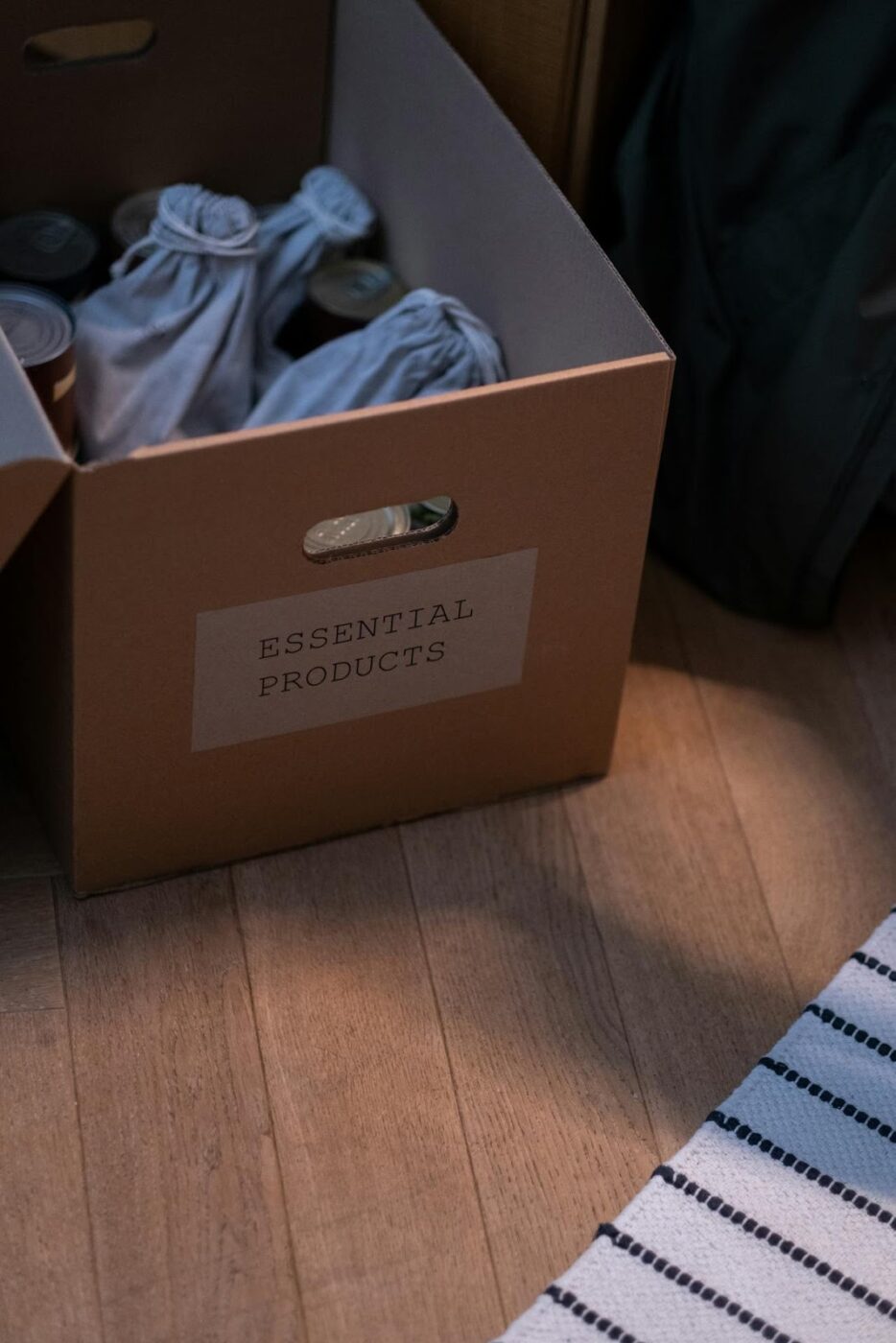
You can also sort by priority and decide what to do with it based on importance. For instance:
Decluttering is just a small part of the process, so make sure you download our moving house checklist to support you with your planning and timeline.
One of the hardest part of decluttering is deciding what goes where. Being able to sort through and decide what to donate, bin, or store is one of the best decluttering tips we can give you.
Before anything else, it’s important to decide whether it’s an item worth keeping. To find that out, try asking yourself these questions:
If you’ve decided to keep it, great! If not, you then need to decide whether to donate, bin or store it.

You do, of course, have the option to sell on marketplace sites too. However, this can add another layer of admin in your moving process and slow down your decluttering progress! It may be an idea to set yourself a deadline of when you want to sell something by, or store high-value items to sell at a later date.
Donating is a great way to give items a second life while clearing space.
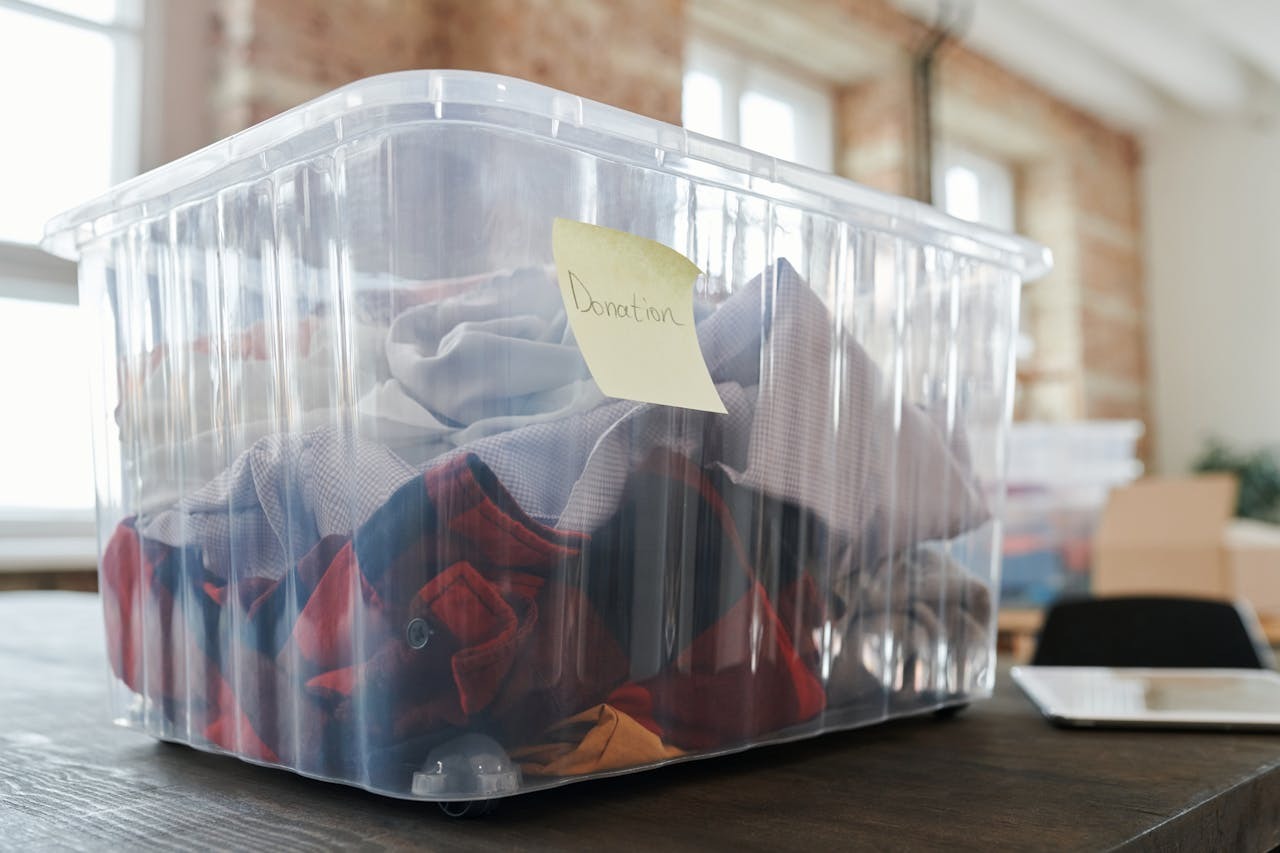
It’s important to be realistic. If it can’t be used, and has remained unrepaired for some time, it’s probably time to let it go.
Sometimes you’re just not ready to decide, and that’s ok. You can take the stress out of deciding everything immediately by opting for moving house storage instead.
This is where storage between house moves becomes incredibly useful. It gives you breathing room to make decisions without pressure.
Decluttering doesn’t have to mean saying goodbye to everything. Flexible decluttering storage can bridge the gap, especially if there’s timing challenges, temporary accommodation, or downsizing involved.
By opting for moving house storage, you’re able to keep your belongings safe during the transition and move everything in gradually rather than all at once. Furthermore, if you find selling your house to be somewhat of a challenge, decluttering before you accept an offer can make your home look more appealing by freeing up space for viewings or renovations.