Whether you’re moving to a new home, travelling around the globe, or simply looking to declutter your living space, self storage is a fantastic solution.
However, proper preparation and packing is key to ensuring your belongings remain safe and organised, whilst also maximising your space and minimising your costs.
From preparing your belongings, to choosing the right containers and labelling your boxes, we'll cover everything you need to know to best pack your storage unit. After all, we’re here to provide you with not just the space but the top tips as well!
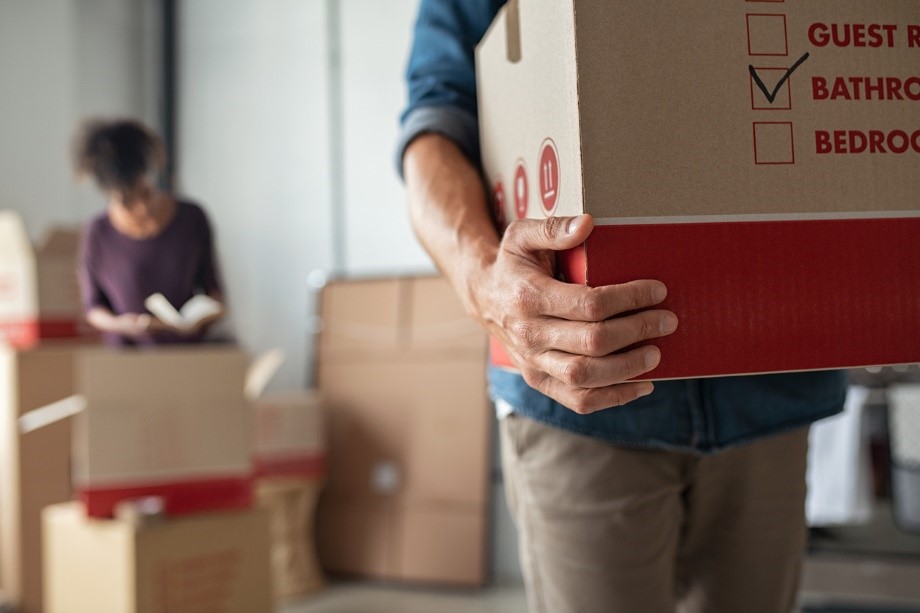
items from potential damage during transportation and storage. Properly packing and securing items reduces the risk of breakage, scratches, or other forms of damage.
Additionally, organising your belongings before storage allows for easy access should you need to get something out, saving you time and effort in the long run. If you need an item from your storage unit, the last thing you want is to be faced with unlabelled boxes, folders placed around with no rhyme or reason and no space to look for anything.
Follow our steps to best optimise preparing and packing for self-storage!

Understanding your needs beforehand is going to save you time, effort and potential headaches down the line. Making note of what you’re wanting to store, and categorising them based on size, fragility and how often you use them, will help you to decide on the unit size you need.
You’ll also need a rough idea of how long you’re planning to store your belongings. If it’s just for a short period, you might prioritise easy access as you may plan on visiting and taking items out frequently.
However, for storage over the longer term, you’ll need to consider what items you won’t need for the forseeable, and which you may need to retrieve, so you can plan for bulkier items at the back and easier access of smaller belongings.
Remember, we offer flexible solutions at Kangaroo Self Storage, so you can stay for as long as you need and extend your contract whenever required.
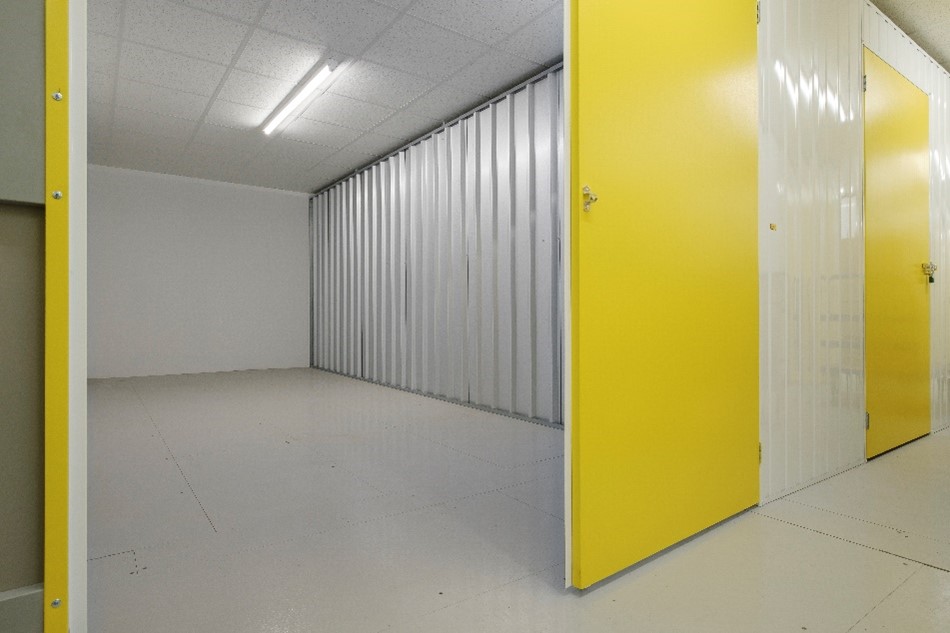
It’s one thing to keep your belongings stored out of the way, it’s another thing entirely to make sure they stay secure whilst out of your care. When choosing where to store your belongings, consider the following do’s and don’t’s:
It’s just as important to make the necessary arrangements to ensure you’re also protecting your belongings.
As we cannot insure your belongings for you, you must also consider the following:
When it comes to actually packing your belongings, gathering the proper supplies beforehand is essential.
You’ll also want to consider what order to pack your belongings. It’s usually a good idea to start packing non-essential items first and leave frequently used items for the end. Remember to label each box with its contents clearly, and even consider creating an inventory list to keep track of everything you’ve packed.
Here is what we recommend:
Having more supplies than you think you’ll need is best, as proper packing is crucial for protecting your belongings. Don’t forget; you can pick up all the supplies you’ll need at our Box Shop located at all our self-storage sites and online.
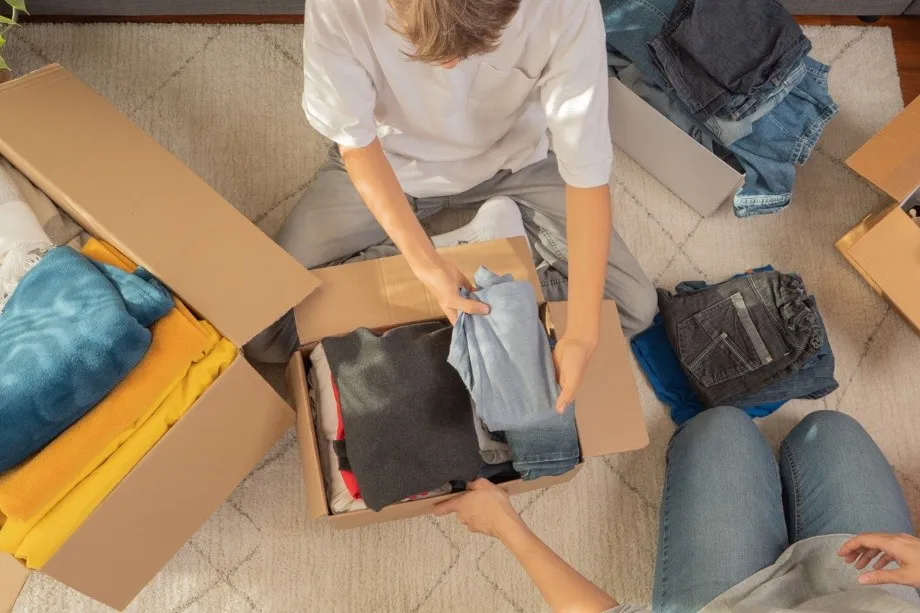
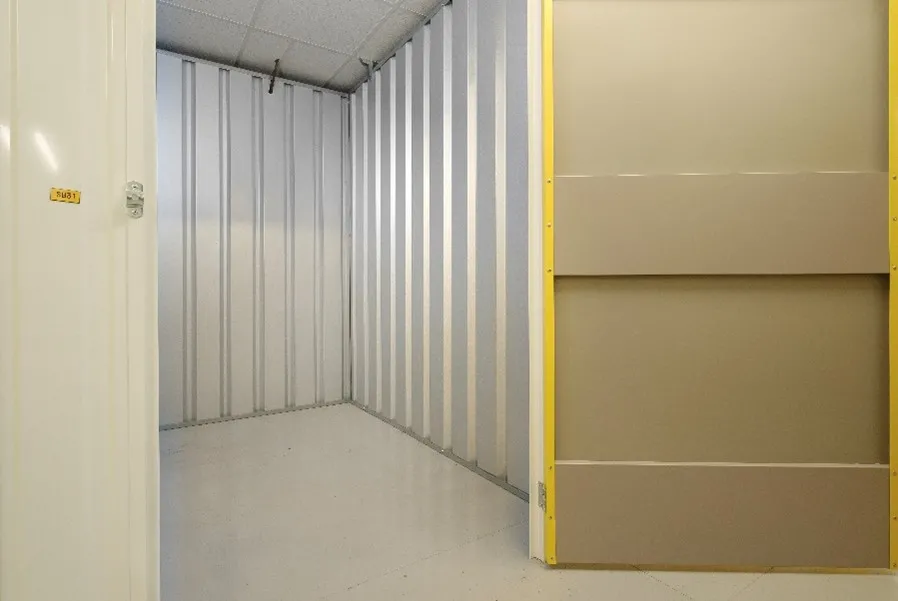
When it comes to maximising space and accessibility to your self-storage unit, all the above points should be considered. But, on top of this, looking at how you fill your unit is key.
Remember to stack items strategically, placing heavier ones at the bottom and fragile items towards the top. Similarly, as mentioned, place items you’re less likely to need at the bottom or the back so you can easily reach the things you’ll need.
Regularly review and reorganise your unit as your storage needs change, and don’t forget we’re completely flexible at Kangaroo Self Storage. If you need more space, and we have the units available, we’re more than happy to help you move your items over to a roomier unit.
Here are some tips on what to do and don’t do to efficiently store your belongings:
At Kangaroo, your peace of mind is our priority, which is why our storage experts are always on hand to answer your questions and help out wherever we’re needed.
Or, feel free to contact us, and we will do our best to help you prepare for storing with us.