When moving house, it isn’t just purchasing a property that’s going to set you back financially. You also need to factor in legal costs, stamp duty, and moving fees. If you haven’t prepared for these, you could find yourself under a lot of pressure to stump up thousands more than you’d planned.
However, with the right approach, there are plenty of ways to keep costs under control without cutting corners.
Before working out where you can save money, it’s helpful to understand what you need to spend it on. There are a few areas where moving costs can quickly add up.
By and large, the most expensive moving cost you will face is if you choose to use a removal company. Although convenient, they can cost thousands. Furthermore, it could be last minute that you find out your moving date if you’re in a chain, meaning that you could face penalties for cancelling the firm too late, or pay a premium for hiring them at such short notice.

Even DIY moves whereby you hire a van that you drive yourself can quickly add up with fuel, mileage and insurance costs. It’s likely that you’ll need to make multiple trips and struggle to store your furniture and belongings between each journey, especially if the weather is poor. With the pressure of being out of your previous home for a certain time, and into your new one a few hours later, you could be in limbo for a big portion of moving day.
If you don’t have the issue of moving out of one place and into a new one on the same day, you may face an entirely different problem all together whereby you’re required to pay an overlap in your rent or mortgage.
This could also result in an overlap of other bills and utilities. Paying for two properties at once can be a major hidden cost.
Other hidden costs such as packing materials (think boxes, bubble wrap, tape) can all add up quickly. Then factor in end-of-tenancy cleaning and repairs or admin fees for changing your address, you could soon have a couple of hundred pounds you’d not considered.
Read through our moving house checklist to see what additional steps there are you may not have thought of.
Storage for your furniture and belongings when moving house is sometimes seen as an ‘extra’ rather than a tool, but utilising it could be a way to save money on your moving costs. You could store items for weeks and it could still cost less than a removals firm! Understanding these costs can help you focus your efforts on what to spend money on and where you can realistically save money the most.
Comparing cost-effective options is such a personal decision as it boils down to your own individual budget, timeline, and how much you’re willing to do yourself.
Here are some of the options you may want to consider to save yourself some money.
Hiring a man-and-van (or a self-drive van) will usually cost significantly less and be more flexible than hiring a full removals company. It’s ideal for smaller moves or shorter distances but means doing a lot (or all!) of the packing and heavy lifting yourself.

A full removals company, on the other hand, often includes packing, loading, and transporting your belongings between houses, which is obviously a lot more convenient, but you could be paying thousands in removal fees.
Hiring a van and driving it yourself is typically the most budget-friendly way to move house. This can work well if you have help from friends or family, but you still need to factor in timings, physical effort, and additional expenses such as insurance.
By staggering your move over a number of weeks (or even months in some instances), you could spread the cost and find it easier to budget for your house move.

If you don’t have access to your new property, you could hire a storage unit for moving house and move things gradually. Obviously, this will cost significantly less than paying for two properties simultaneously. Furthermore, you could reduce the size of the van you need, or use your existing car to move items from the storage unit to your new house, so you’re effectively cutting your transport costs too.
The best method is to move your non-essential items first, and leave your daily items for the day of your move. You don’t want to be living without a kettle whilst you wait for your new home!
It may seem obvious, but you’ll be surprised how much clutter or old and broken items get shipped to a new house simply because moving becomes a rush at the end! However, a bit of time spent decluttering can save you money. Ultimately, the less you move, the less you pay.

Having a clear out can seem overwhelming, so make sure you read our tips on decluttering your home to help get you started.
Even the most budget-conscious movers can fall into common traps. Here’s what to watch out for.
In most cases, a combination of smart choices can help you save money on your house move. A bit of organisation can go a long way. Decluttering, planning your timing carefully, and opting for DIY options are all smart ways to save. Storage might seem like an added cost, but in many cases it’s actually another smart way to save.
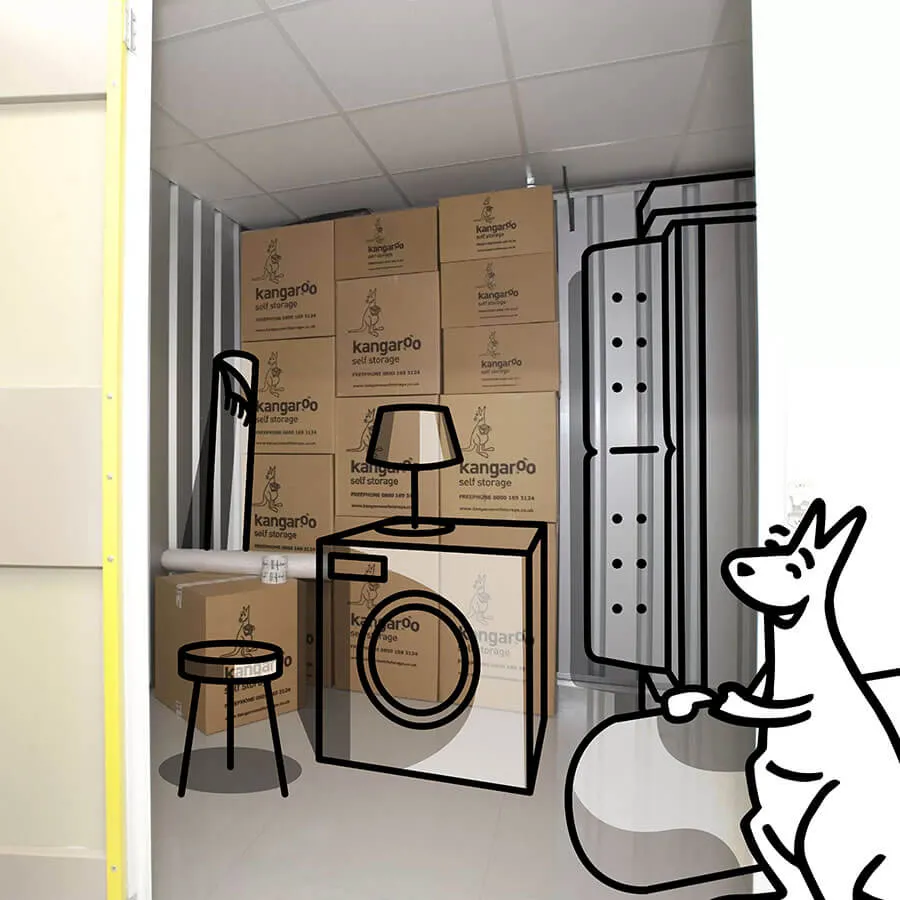
It can allow you time to avoid rushed decisions, bridge timing gaps between properties if your move-out and move-in dates don’t align, and allows you to declutter without pressure by keeping items safe while you decide what to keep, sell, or donate.
Find your nearest Kangaroo storage for flexible contracts and a range of unit sizes meaning that you only pay for what you need, when you need it.